Walk round most farms at the end of the summer and you’ll find it somewhere. A heap of bale wrap behind the shed, a stack of old clamp tyres, a couple of drums of used oil by the workshop door. For a long time the answer was a bonfire, a hole in the ground or a corner of the yard that nobody looked at too closely.
That changed in 2006, when farm waste was brought under the same rules as waste from any other business. Since then, recycling has been the normal, legal route for most of what a farm throws away. Staying legal is reason enough for most farms, but it isn’t the only one. Recycling farm waste also protects the soil and water your farm relies on, and there are good commercial reasons to do it well.
Below, we look at why the recycling of agricultural waste matters, what happens when it is burned or buried instead, and how to get the most out of it on your farm.
How Farm Waste Was Dealt With Before 2006
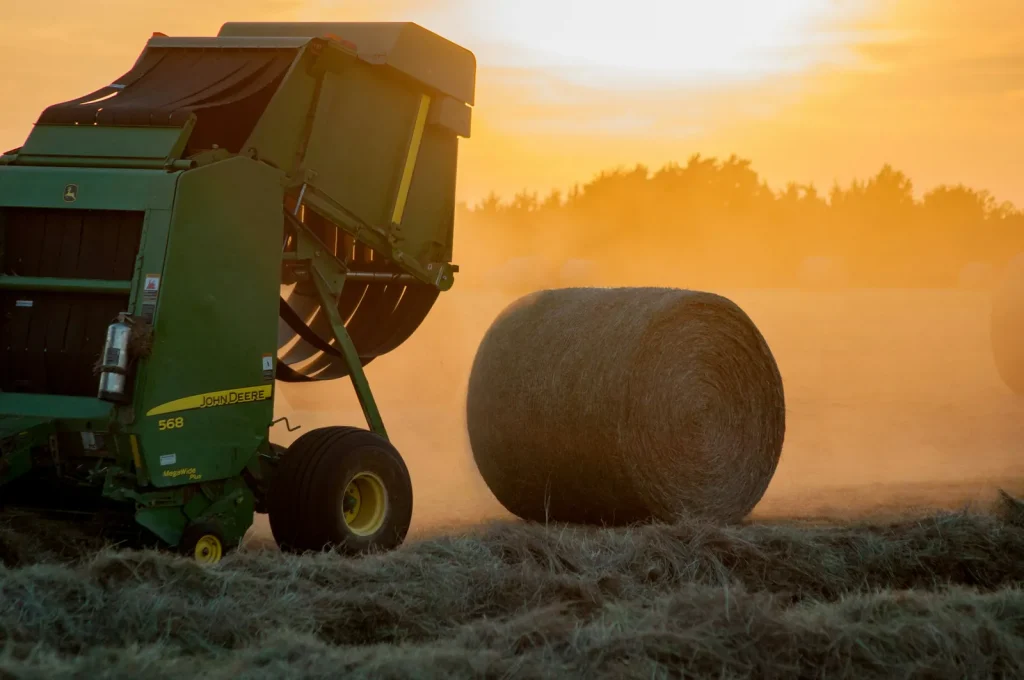
Until the mid-2000s, waste from farms sat outside the controls that applied to other businesses. A factory couldn’t burn its plastic packaging behind the warehouse, but a farm could burn its silage wrap in the field corner, and plenty did. Burning, burying and tipping on the farm were simply how most farm waste was dealt with.
The Agricultural Waste Regulations, which came into force in May 2006, brought farms into line with everyone else. After a year to adjust, burning and burying farm plastics had to stop by May 2007. It’s the reason so many farm plastic collection contracts still come up for renewal in May.
Twenty years on, most farms use a collection service. The old habits haven’t completely gone, though, so it’s worth being clear about why they were stopped in the first place.
What Happens When Farm Waste Isn’t Recycled
Most of the waste a farm throws away doesn’t break down. Plastic, rubber and oil stay in the environment for a very long time, and the damage builds up slowly, usually out of sight.
Burning
Burning plastic and tyres in the open gives off thick black smoke and toxic chemicals, including dioxins, which settle on the land around the fire. The plastic doesn’t really disappear either. What’s left is a mix of ash and half-melted residue that still has to go somewhere. Some natural materials, such as hedge cuttings, can be burned on the farm under a registered waste exemption, but plastics and tyres aren’t among them.
Burying
Plastic buried in a field or an old pit doesn’t rot. Over the years, it breaks into smaller and smaller pieces that stay in the soil, while drums and containers with chemical residue left in them can leak into the ground and the water underneath.
Leaving It in the Yard
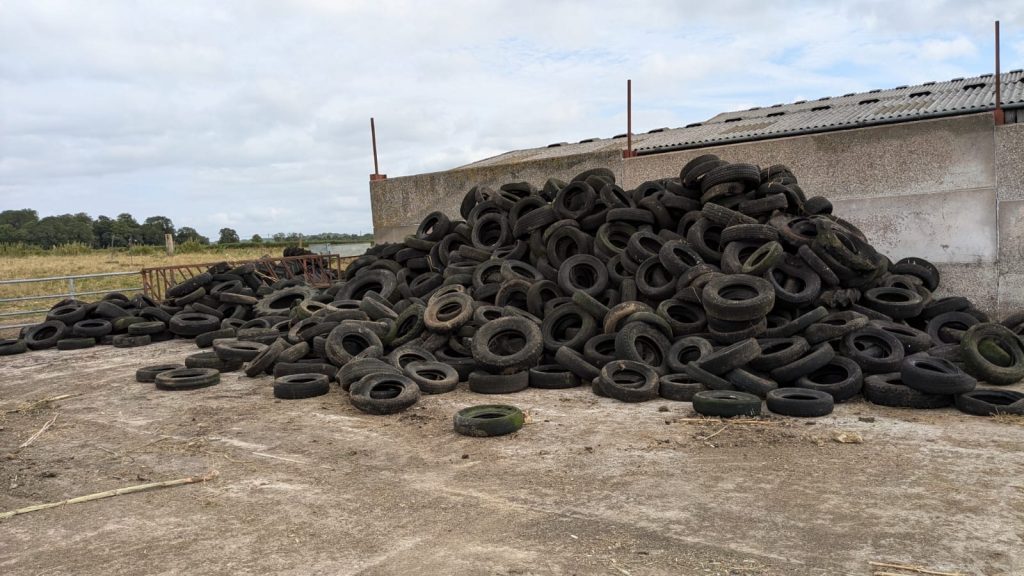
A stockpile feels harmless, but it causes problems of its own. Loose wrap and net blow into hedges and ditches, and cattle can eat net wrap and baler twine, which can block the gut. A pile of tyres is a serious fire risk and very hard to put out once it catches. Old clamp tyres also break up as they age, leaving steel wire in the silage and around the yard. Lorry tyre sidewalls are a cleaner replacement, as they can’t hold water and are much easier to handle.
How Agricultural Waste Harms Water
Water is where farm waste does some of its worst damage, because a small amount of the wrong thing can travel a long way. Waste oil is the clearest example. A single litre of oil can pollute up to a million litres of water, so a split drum or a leaking tank near a drain can affect a stream well beyond the farm boundary.
Plastic causes problems too. Wrap and bags that blow into ditches end up in rivers, breaking into smaller pieces as they go. On the organic side, slurry and silage effluent are some of the most polluting liquids on any farm if they reach a watercourse, which is why the rules on storing them are so strict.
Recycling won’t solve every water pollution risk on a farm, but getting oil, chemical containers and plastic off the farm through a proper route removes some of the biggest ones.
The Environmental Benefits of Agricultural Waste Recycling
The obvious benefit of agricultural waste recycling is that waste stops building up on the land. The less obvious one is that the material gets used again.
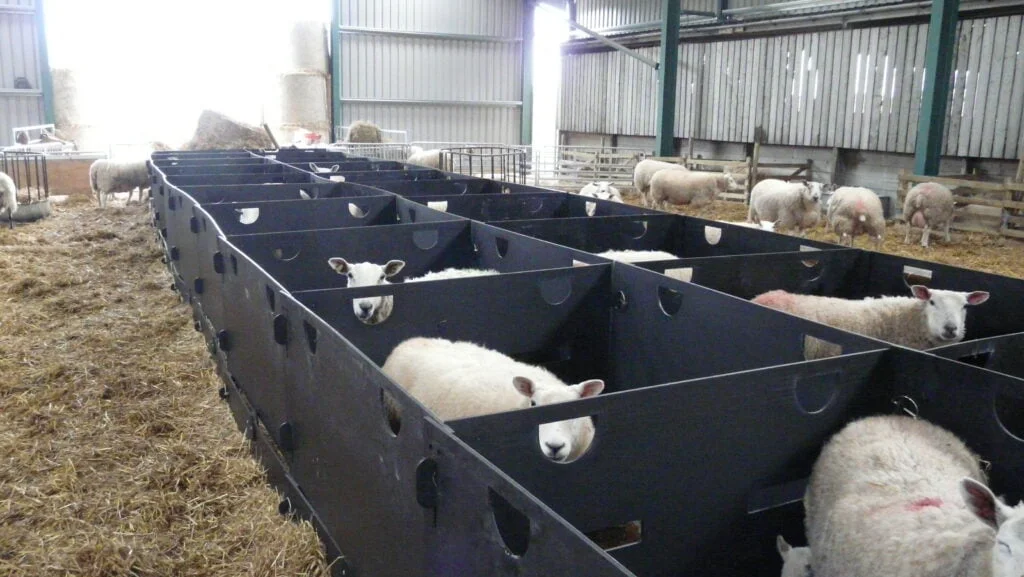
Farm plastics are a good example. Silage wrap, bags and sheets that leave the farm clean and separated can be shredded, washed and melted down into polymer pellets, which are then made into new products. Some of the plastic we collect comes back to farms as Solway recycled plastic boards, used for things like pens and partitions. Every board made this way is plastic that didn’t have to be made from scratch or sent to landfill.
Tyres are recycled too. They’re shredded into rubber crumb for surfaces such as sports pitches and playgrounds, or used as fuel in cement kilns, and some lorry tyres are cut down into sidewalls for silage clamps. The steel inside is recovered and recycled. Waste oil can be treated and turned back into fuel or base oil.
Organic waste has its own routes. Manure, slurry and crop residues can go to anaerobic digestion, which turns them into biogas and digestate, a fertiliser that goes back on the land. Our co-founder, Ed Du Val, is the managing partner of Apsley Farms, one of the UK’s leading anaerobic digestion plants, so it’s a side of farm waste we know well.
The Waste Hierarchy
Recycling sits in the middle of the waste hierarchy, the order of priority the law sets out for dealing with waste:
- Prevent waste in the first place
- Prepare it for reuse
- Recycle it
- Recover other value from it, such as energy
- Dispose of it, as a last resort
Every business has a legal duty to apply the hierarchy, farms included, and you confirm that you have done so on each waste transfer note. In practice, that means asking whether waste can be avoided or reused before it goes for recycling, and keeping landfill for whatever is left.
The Commercial Benefits of Recycling Farm Waste
The environmental case matters to most farmers, but recycling also makes sense for the business.
Staying on the Right Side of the Law
As the person producing the waste, you have a duty of care to make sure it is handled properly once it leaves your farm. That means using a registered waste carrier and keeping a waste transfer note for each load for at least two years. Hazardous waste, such as waste oil, travels with a consignment note instead, and you keep that for three years. Breaking the duty of care is an offence with no upper limit on the fine, so a proper collection with the right paperwork is far cheaper than getting it wrong.
Records Ready When You Need Them
Farm assurance assessors and some buyers may ask to see how waste is dealt with on your farm. If every collection comes with paperwork, the evidence is already in one place, rather than something you’re hunting for the week before an inspection.
Clean Plastic Costs Less to Recycle
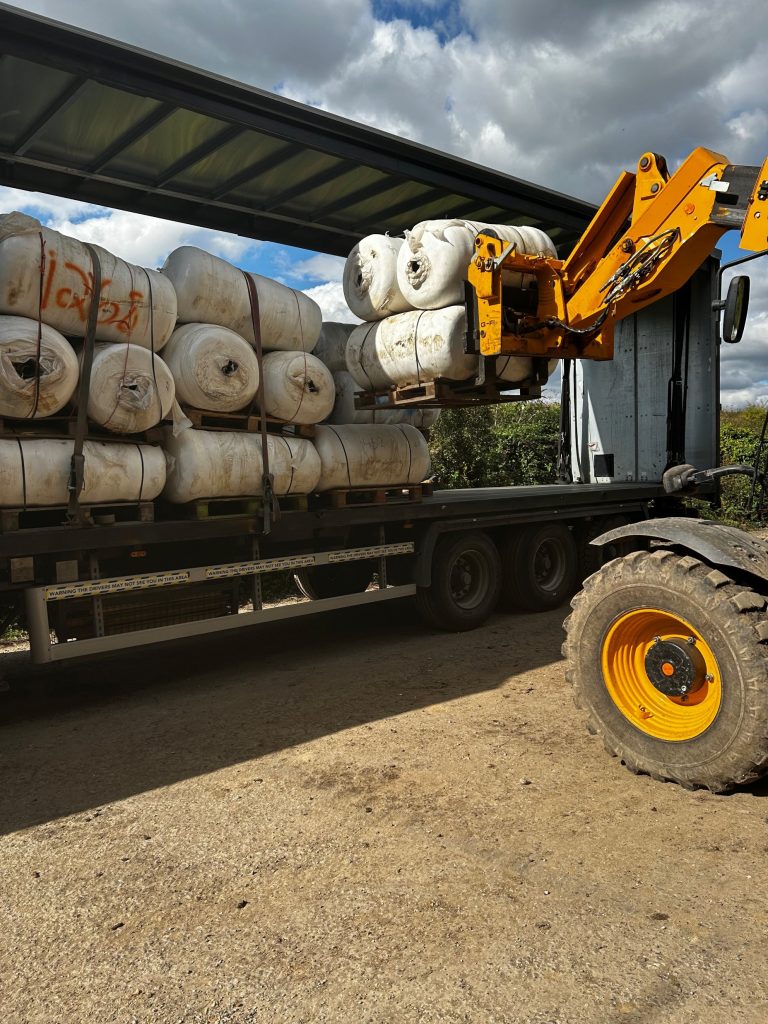
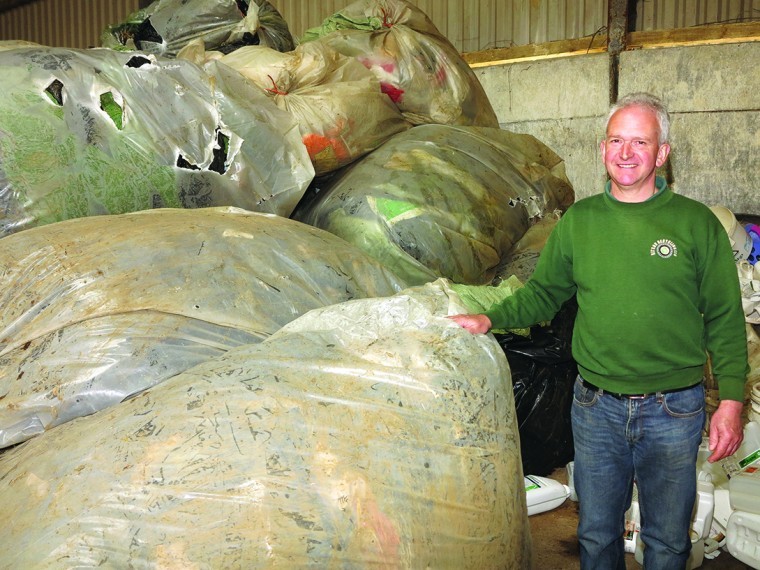
Recycling is cheaper when the material is clean, dry and kept apart. Plastic that comes off the farm mixed, wet or caked in soil weighs more and costs more to process, and badly contaminated loads can be turned away altogether. Keeping each type in its own liner and shaking off the silage and soil first is the simplest way to keep your costs down. Packed properly, a single Solway liner holds over 250 round bale wraps.
A Tidier, Safer Yard
Regular collections stop waste piling up where it gets in the way, attracts rats and adds to the fire risk. A clear yard is quicker and safer to work in, and it’s one less job waiting for you when the busy season starts.
Getting More From Your Farm Waste Recycling
You don’t need a complicated system. Most of the value comes from a few habits.
Keep wrap, sheet, string, bags and drums apart from the start, rather than sorting a mixed pile later. Store plastic under cover or in tied liners so it doesn’t fill up with rainwater. Triple-rinse chemical containers when you empty them, because properly rinsed drums can be recycled with your other plastics, while unrinsed ones are hazardous waste. Keep waste oil in a sound, bunded tank away from drains.
Then think about timing. Autumn and winter are quieter on most farms, which makes them a good time for a clear-out before spring. From May to July, when silage and harvest are in full swing, collections get booked up fast.
Recycle Your Farm Waste With Farm Waste Solutions
We collect and recycle farm waste from farms across Southern England, and run farm plastic and tyre hub days across the South West. There’s no membership or acreage fee. You pay for what we collect, whether that’s once a year or every month, and you get paperwork for every collection.
Our co-founder, Ian Kitson, has worked in farm waste management since the rules changed in 2006. If you’re not sure what can be recycled or how best to store it, give us a call on 01264 554477, and we’ll talk it through.
Find out more about our farm plastic recycling, tyre recycling and waste oil collection services, or read our guide to the different types of farm waste and how to handle them.
Agricultural Waste Recycling FAQs
Why is recycling agricultural waste important?
It keeps plastic, oil and chemicals out of the soil and water, turns old material into new products and keeps your farm within the law. Since 2006, farm waste has been treated like any other business waste, so recycling through a registered collector is the legal route for most of it.
Is it illegal to burn farm plastic?
Yes. Farm plastics and tyres can’t be burned on the farm in England or Wales. A registered waste exemption lets you burn some natural material, such as hedge cuttings, where it was produced, but plastic isn’t covered.
How can farm waste be made useful?
Farm plastic is turned into polymer pellets and made into new products, such as recycled plastic boards. Tyres become rubber crumb or fuel for cement kilns. Manure, slurry and crop residues can be spread as fertiliser or sent to anaerobic digestion to produce energy.
What happens to agricultural waste after it’s collected?
It depends on the waste. We bale the plastic we collect at our yard in Hampshire and send it to UK recyclers. Tyres are sorted, then shredded or used as fuel, with the steel recycled. Waste oil goes for treatment and recycling.
Does recycling farm waste cost a lot?
It costs less when your waste is clean and separated. We charge per liner for farm plastic, with a lower price per liner the more you have, and there are no membership fees. Call 01264 554477 for a price.